Most people view breathing strictly as a metabolic function, but its biomechanical role in stabil…
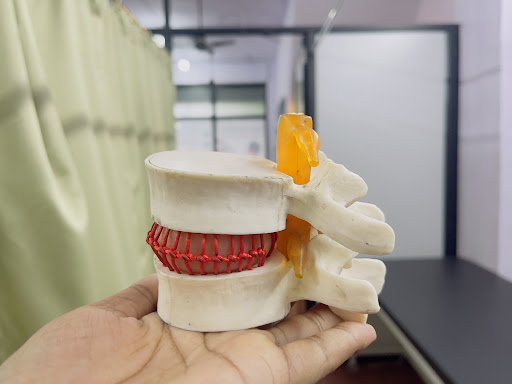
Most people view breathing strictly as a metabolic function, but its biomechanical role in stabilizing your spine is profound. Your primary breathing muscle, the diaphragm, acts as the top lid of your core cylinder. When you practice deep diaphragmatic breathing, the downward expansion of the diaphragm increases intra-abdominal pressure (IAP). This pressure acts like an internal airbag, exerting hydraulic support outward against the lumbar spine and stabilizing the vertebrae from within. Conversely, chronic shallow chest breathing fails to generate this essential internal pressure, forcing the accessory neck and upper back muscles to overwork while leaving the lower back highly susceptible to mechanical instability, micro-trauma, and chronic strain. Correcting dysfunctional breathing patterns is one of the most foundational steps in resolving persistent lower back pain. To optimize respiratory mechanics, restore proper IAP dynamics, and alleviate unnecessary stress on the spine, individuals seeking clinical evaluation frequently turn to internet searches for structured physiotherapy or physiotherapy near me. At Guru Physiotherapy Clinic, Dr. Dileep Singh integrates core neuromuscular coordination with diaphragmatic training to re-establish intrinsic spinal stability. Don't let improper breathing patterns undermine your core strength; click the booking button below to schedule your consultation for September 25th today!